
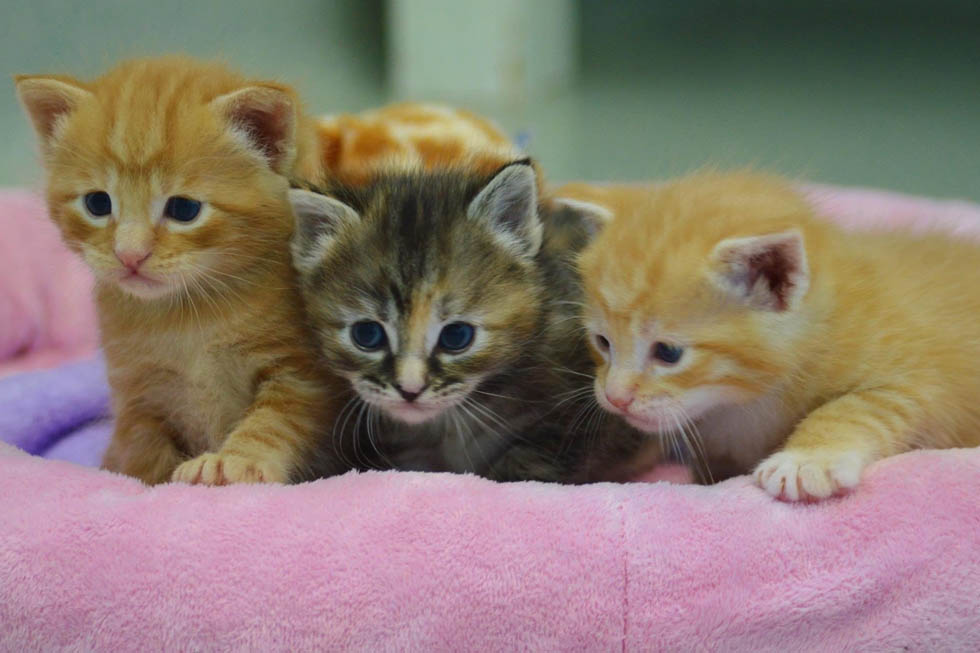
 Bringing home a new kitten is exciting, but it can also be a big change for everyone in the house. Your kitten is entering a new place with new smells, new sounds, new people, and maybe other pets. A slow, calm introduction can help your kitten feel safe and help your other pets accept the new family member.
The biggest rule is do not rush. Cats usually need time to adjust to a new home, and other pets need time to understand that the kitten is not a threat. Pet-care experts recommend giving a new cat or kitten a quiet room first, with food, water, a litter box, toys, a bed, and a scratching post.[1]
Start With One Safe Room
Before you bring your kitten home, choose one quiet room as the kitten’s first space. This could be a bedroom, bathroom, office, or laundry room. Set it up before the kitten arrives. Include:
· Food and water
· A litter box
· A soft bed or blanket
· Safe toys
· A scratching post
· A hiding spot, such as a box or covered bed
 This room helps your kitten learn, “I am safe here.” It also keeps your other pets from crowding the kitten too soon. If you already have cats at home, Cornell Feline Health Center recommends keeping the new cat separated until a veterinarian has checked the kitten, especially if the kitten’s health history is not known. [2]
Let Your Kitten Set the Pace
Some kittens are playful right away. Others may hide for a few days. Both reactions are normal. Sit quietly in the room with your kitten. Talk softly. Let the kitten come to you instead of pulling the kitten out of hiding.
Young kittens are still learning about people, pets, sounds, and routines. The AVMA notes that kittens benefit from early, positive exposure to people, other pets, grooming, vet visits, and normal life experiences. The key word is positive. Keep each new experience gentle and short. [3]
Introduce Smells Before Face-to-Face Meetings
Pets learn a lot through smell. Before your kitten meets your other pets, let them smell each other safely. You can:
· Rub a soft cloth on your kitten and place it near your other pet.
· Rub another cloth on your resident pet and place it near the kitten.
· Switch blankets or bedding after a day or two.
· Feed pets on opposite sides of a closed door so they connect the new smell with something good.
Humane World for Animals recommends using scent swapping to help cats get used to each other before they meet face to face. [4]
Introducing Your Kitten to Another Cat
Cats are territorial, which means they often feel protective of their space. Your older cat may hiss, growl, hide, or act offended at first. That does not always mean the introduction has failed. It usually means your cat needs more time.
Start with the kitten in the safe room and your resident cat outside the room. Let them smell each other under the door. After a few days, allow short visual visits through a baby gate, cracked door, or screen barrier. Keep these visits short and calm.
Give both cats treats, praise, or play during these visits. This helps them connect each other with good things. If either cat hisses, growls, swats, or seems very stressed, end the visit calmly and try again later.
Do not put the kitten directly in front of the resident cat and hope they “work it out.” Slow introductions are much safer. Humane World for Animals says introductions should be controlled and gradual because many cats dislike change. [5]
Introducing Your Kitten to a Dog
Even a friendly dog can scare a small kitten. Keep your dog on a leash during early meetings. The kitten should always have a way to escape, such as a cat tree, baby gate, or open path back to the safe room.
Start with the dog calm and tired, not excited. Ask the dog to sit or stay. Let the kitten watch from a safe distance. Reward the dog for calm behavior. If the dog barks, lunges, whines, or stares too hard, calmly end the visit and try again another day.
Animal Humane Society recommends keeping pets separate at first and preventing contact until the new pet has had a vet check and has been cleared of illness. [6]
Keep Small Pets Safe
If you have birds, rabbits, hamsters, guinea pigs, reptiles, or other small pets, do not allow the kitten to meet them freely. Kittens are playful hunters by nature. Even if the kitten is not trying to hurt the animal, chasing or pawing can be dangerous and stressful.
Keep small pets in secure enclosures. Supervise carefully. Never leave a kitten alone with a small pet.
Watch for Signs of Stress
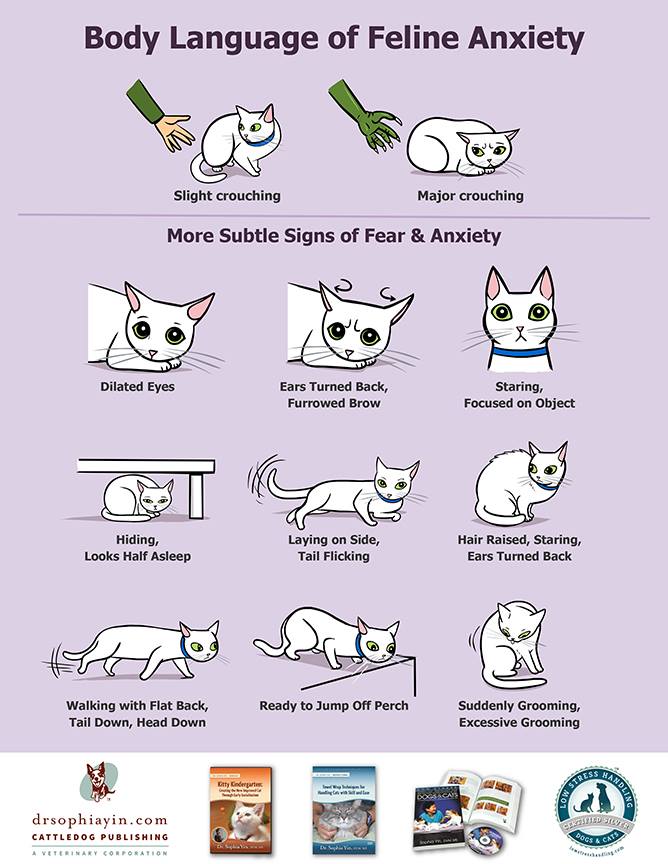
Move slowly if you see signs that your kitten or other pets are stressed. Signs of stress may include:
· Hiding more than usual
· Hissing, growling, or swatting
· Refusing to eat
· Using the bathroom outside the litter box
· Flattened ears
· A puffed-up tail
· Chasing, blocking, or cornering
If you see these signs, go back one step. Separate the pets again. Give everyone more time. It is better to move too slowly than too fast.
Give Each Pet Their Own Things
Pets may fight or feel stressed if they think they have to compete. Make sure each pet has its own food area, water bowl, sleeping spot, toys, and attention.
For cats, provide enough litter boxes. A good general rule is one litter box per cat, plus one extra. Also provide more than one resting place and scratching area so cats do not feel forced to share.
Humane World for Animals notes that having enough resources, such as litter boxes, food, water, resting spaces, hiding spaces, scratching posts, and toys, can help reduce competition between cats.[7]
Be Patient
Some pets become friends quickly. Others simply learn to live peacefully in the same home. Both outcomes are okay. Your goal is not to force friendship. Your goal is to create a calm, safe home where each pet feels secure.
Give your kitten love, structure, and time. Give your other pets reassurance, too. Keep their normal routines as much as possible. Feed them on schedule. Give them attention. Let them know they are still important.
With patience, slow introductions, and a safe plan, your new kitten can settle into your home and become part of the family one small step at a time.
Sources:
[1]: International Cat Care Helping Your New Cat or Kitten Settle In
[2]: Cornel Feline Health Center Choosing and Caring for Your New Cat
[3]: American Veterinary Medical Association (AVMA) Socialization of Puppies and Kittens
[4]: Humane World for Animals Bringing Home a New Cat
[5]: Humane World for Animals How to Introduce New Cats to Your Home
[6]: Animal Humane Society How to Introduce a Dog and Cat
[7]: Humane World for Animals Stop Feline Aggression